
「Alocasia cucullata white variegated」(アロカシア・ククラータ・ホワイト・バリエガータ)について解説します。
この品種は、アロカシアの中でも特に人気があり、その美しい葉の模様から、**希少種(レアプラント)**としてコレクターから非常に高く評価されています。
🌿 Overview of Alocasia cucullata white variegated
I will explain the Alocasia cucullata white variegated. This particular variety is highly sought after within the Alocasia genus and is considered a rare plant by collectors due to the striking patterns on its leaves.
🌿 ภาพรวมของ Alocasia cucullata white variegated
ดิฉันจะอธิบายเกี่ยวกับ Alocasia cucullata white variegated (อะโลคาเซีย คูคูลลาตา ด่างขาว) อะโลคาเซียสายพันธุ์นี้เป็นที่ต้องการอย่างมากในกลุ่มอะโลคาเซีย และถือเป็น พืชหายาก (Rare Plant) ที่นักสะสมให้ความสำคัญเป็นอย่างสูง เนื่องจากมีลวดลายบนใบที่งดงาม
インスタグラムの動画内で価格を表示しています。 You can see the prices in the Instagram video. สามารถดูราคาได้ในวิดีโอ Instagram
このページの最下部に植物の写真ギャラリーがあります。 There is a photo gallery of the plants at the bottom of this page. มีแกลเลอรี่ภาพถ่ายของพืชอยู่ที่ด้านล่างของหน้านี้
🌿 Alocasia cucullata white variegated の概要
🌟 特徴と魅力
- 学名: Alocasia cucullata ‘Variegata’ (または ‘Albo Variegata’)
- 和名: クワズイモの仲間で、「アロカシア・ククラータ(クワズイモ)の斑入り」
- 別名(英名):Buddha’s Hand (ブッダの掌/仏の手)
- ククラータ種自体が、東南アジアの文化において幸運や繁栄をもたらす縁起の良い植物とされています。
- 美しい斑(Variegation):
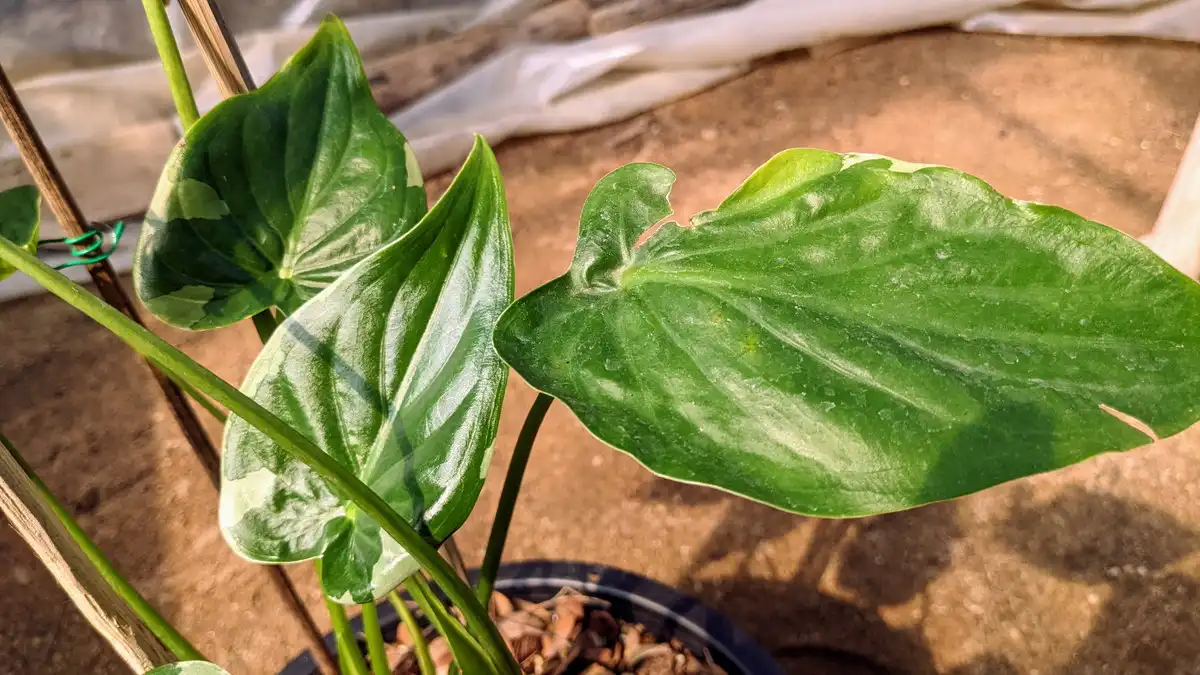
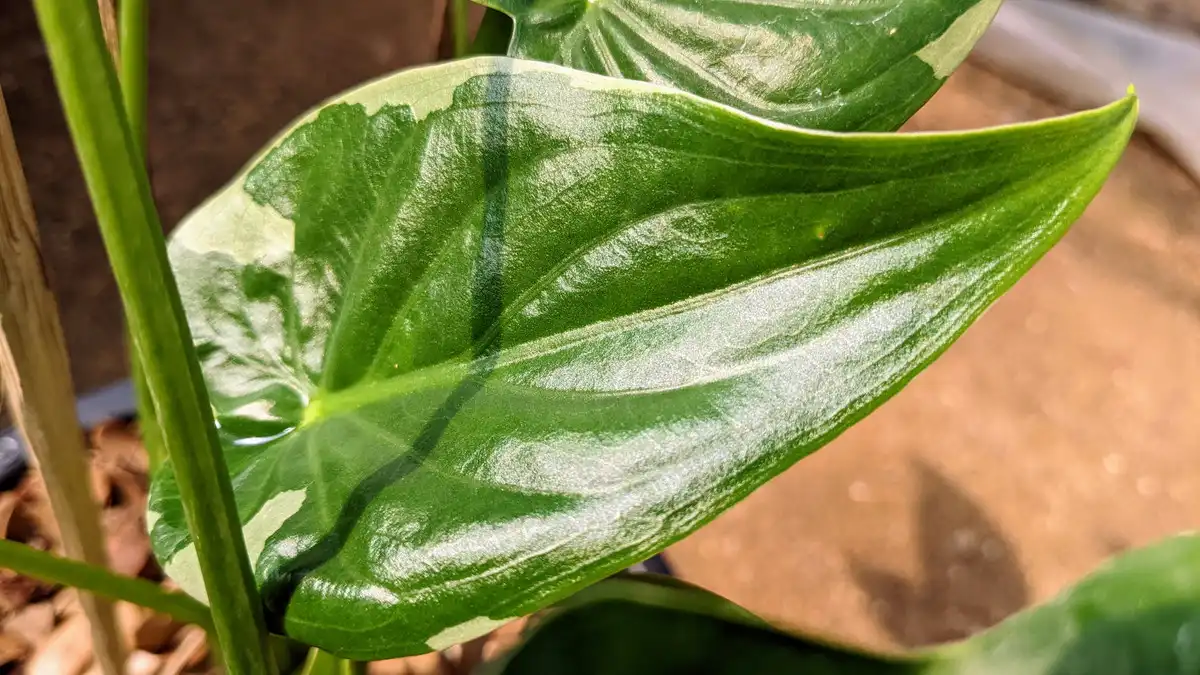
- 大きなハート型(心臓型)の葉に、鮮やかな白色またはクリーミーホワイトの不規則な斑が入ります。
- 斑の入り方は個体差が非常に大きく、葉の一部が白くなるセクタリアル斑や、白と緑が混ざり合うマーブル(大理石)状の斑が現れ、一枚として同じものがないユニークさが魅力です。
- コンパクトな樹形: 他のアロカシアに比べて比較的コンパクトにまとまるため、室内でも育てやすい品種です。
- 優雅な質感: 葉の縁がわずかに波打つような形状をしており、直立した細い茎と相まって、静かで彫刻的な美しさがあります。
🪴 育て方のポイント(斑を維持するために重要)
斑入り品種は、通常の緑葉種よりもデリケートで、特に光と湿度が美しさを保つ鍵となります。
| 項目 | 詳細 |
| 光の条件 | 明るい間接光が理想です。斑入り部分は葉緑素がないため、光が弱いと斑が消えやすくなりますが、直射日光に当てると白い部分が葉焼けを起こしやすいため厳禁です。レースのカーテン越しの光などが最適です。 |
| 水やり | 土の表面が乾いたらたっぷりと与えます。過湿は根腐れの原因になりますが、完全に乾燥させると生育が止まるため、湿りすぎず乾きすぎない状態を保つことが重要です。冬は乾燥気味に管理します。 |
| 湿度 | **高い湿度(60%以上)**を好みます。熱帯原産のため、葉の美しさを保ち、葉の先端が茶色く枯れ込む(葉先枯れ)のを防ぐには、**霧吹き(葉水)**を頻繁に行うか、加湿器や温室、テラリウムなどで湿度を保つことが望ましいです。 |
| 温度 | **18℃~28℃**が最適な温度帯です。寒さには弱く、15℃以下になると生育が衰え、冷たい風に当たると葉を傷めるため、冬場は暖かい場所に置く必要があります。 |
| 土 | 水はけと通気性に優れた軽い配合の土を使います。パーライト、蘭のバーク、ココヤシ繊維などを混ぜたものが適しています。 |
| 肥料 | 春から夏の生育期に、規定量より薄めた液体肥料を月に1回程度与えます。肥料を与えすぎると、**斑が薄くなる(先祖返り)**ことがあるため注意が必要です。 |
⚠️ 注意点
- 希少性と価格: 斑入りアロカシアは、その希少性から非常に高値で取引されています。
- 繊細さ: 斑入り部分が多くなると、光合成能力が低くなるため、通常の緑葉種よりも管理が難しくなります。
- 毒性: アロカシア属の植物は、樹液にシュウ酸カルシウムの結晶を含むため、ペットや小さなお子様が口にしないよう注意が必要です。
🌟 Features and Appeal
- Scientific Name: Alocasia cucullata ‘Variegata’ (or ‘Albo Variegata’)
- Common Name (Japanese): Spotted relative of the Kuwazuimo (Taro plant), often referred to simply as the Variegated Alocasia cucullata.
- Nickname (English):Buddha’s Hand
- The cucullata species itself is often considered a symbol of good fortune and prosperity in various Southeast Asian cultures.
- Stunning Variegation:
- Its large, heart-shaped leaves feature irregular patches of vivid white or creamy white variegation.
- The pattern of variegation varies significantly between individuals, presenting unique patterns such as sectoral variegation (large distinct blocks of white) or a marbled look where white and green intermingle. No two leaves are exactly alike, which adds to its charm.
- Compact Growth: It tends to maintain a more compact size compared to some other Alocasia species, making it easier to grow indoors.
- Elegant Texture: The edges of the leaves are slightly ruffled or wavy, and combined with the tall, slender petioles (stems), they create a quiet, sculptural beauty.
🪴 Growing Tips (Crucial for Maintaining Variegation)
Variegated plants are generally more delicate than their all-green counterparts. Light and humidity are key to maintaining the beauty of this plant.
| Item | Details |
| Light Conditions | Bright, indirect light is ideal. Since the white parts lack chlorophyll, they are prone to fading in low light, but direct sunlight must be strictly avoided as it will quickly cause the white sections to scorch (sunburn). Light filtered through a sheer curtain is best. |
| Watering | Water thoroughly when the surface of the soil is dry. While overwatering can cause root rot, allowing it to dry out completely will stall growth. It’s essential to keep the soil moist but not soggy. Reduce watering in winter. |
| Humidity | This plant loves high humidity (60% or above). As it is native to the tropics, frequent misting (leaf spraying), or using a humidifier, a greenhouse, or a terrarium is recommended to prevent the leaf tips from turning brown and to maintain leaf health. |
| Temperature | The optimal temperature range is 18°C to 28°C (64°F to 82°F). It is sensitive to cold; growth slows below 15°C (59°F), and cold drafts can damage the leaves, so keep it in a warm location during winter. |
| Soil | Use a light mix that offers excellent drainage and aeration. A mixture containing perlite, orchid bark, or coco coir is suitable. |
| Fertilizer | During the spring and summer growing season, apply a diluted liquid fertilizer (weaker than the recommended strength) about once a month. Be cautious not to over-fertilize, as excess nutrients can cause the variegation to fade (reversion). |
⚠️ Important Notes
- Rarity and Price: Due to its rarity, variegated Alocasia often commands a high price in the collector market.
- Delicacy: Plants with extensive white variegation have less capacity for photosynthesis, making them more challenging to manage than their all-green relatives.
- Toxicity: Alocasia species contain calcium oxalate crystals in their sap, so care should be taken to ensure that pets and small children do not ingest any part of the plant.
🌟 ลักษณะเด่นและความน่าสนใจ
- ชื่อวิทยาศาสตร์: Alocasia cucullata ‘Variegata’ (หรือ ‘Albo Variegata’)
- ชื่อสามัญในไทย: อยู่ในตระกูลว่านเขียวหมื่นปี นิยมเรียกกันว่า อะโลคาเซีย คูคูลลาตา ด่าง
- ชื่อเล่น (ภาษาอังกฤษ):Buddha’s Hand (มือพระพุทธเจ้า)
- สายพันธุ์ cucullata เดิมถือเป็นสัญลักษณ์ของความโชคดีและความเจริญรุ่งเรืองในวัฒนธรรมเอเชียตะวันออกเฉียงใต้
- ลายด่างที่โดดเด่น:
- ใบมีขนาดใหญ่ รูปหัวใจ และมีลายด่างสี ขาวสดใส หรือ ขาวอมครีม ที่ไม่สม่ำเสมอ
- รูปแบบลายด่างมีความหลากหลายสูงมากในแต่ละต้น อาจเป็น ด่างแบบบล็อก (Sectoral) คือมีสีขาวเป็นปื้นใหญ่ หรือเป็นลาย หินอ่อน (Marbled) ที่สีขาวและเขียวผสมกัน ทำให้ใบทุกใบมีเอกลักษณ์ไม่ซ้ำกัน
- ขนาดกะทัดรัด: เมื่อเทียบกับอะโลคาเซียชนิดอื่น ต้นคูคูลลาตาจะค่อนข้างกะทัดรัด ทำให้ง่ายต่อการปลูกในอาคาร
- พื้นผิวที่สง่างาม: ขอบใบมีลักษณะเป็นคลื่นเล็กน้อย ประกอบกับก้านใบที่ตั้งตรง ทำให้ดูสวยงามและมีเสน่ห์ดึงดูดสายตา
🪴 เคล็ดลับการปลูก (สำคัญต่อการรักษาลายด่าง)
พืชด่างมักจะบอบบางกว่าพืชใบเขียวทั่วไป โดยเฉพาะอย่างยิ่ง แสงและความชื้น เป็นกุญแจสำคัญในการรักษาความสวยงามของลายด่าง
| หัวข้อ | รายละเอียด |
| สภาพแสง | แสงแดดรำไรที่สว่าง ถือว่าดีที่สุด ส่วนที่เป็นสีขาวไม่มีคลอโรฟิลล์ หากแสงน้อยลายด่างอาจหายไปได้ แต่ต้อง หลีกเลี่ยงแสงแดดจัดโดยตรง เพราะจะทำให้ส่วนสีขาว ใบไหม้ (Scorch) ได้ง่าย ควรวางในตำแหน่งที่มีแสงกรองผ่านม่าน |
| การรดน้ำ | รดน้ำให้ชุ่มเมื่อ ผิวดินแห้ง การให้น้ำมากเกินไปเป็นสาเหตุของ รากเน่า แต่ถ้าปล่อยให้ดินแห้งสนิทการเจริญเติบโตจะหยุดชะงัก สิ่งสำคัญคือต้องรักษาความชื้นไว้ ไม่ให้แฉะและไม่ให้แห้งจนเกินไป ลดการรดน้ำในฤดูหนาว |
| ความชื้น | ชอบ ความชื้นสูง (60% ขึ้นไป) เพื่อรักษาความสวยงามของใบและป้องกันปลายใบไหม้ ควร ฉีดพ่นน้ำ (Misting) บ่อยๆ หรือใช้เครื่องทำความชื้น/ปลูกในโรงเรือนหรือตู้เทอร์ราเรียม |
| อุณหภูมิ | ช่วงอุณหภูมิที่เหมาะสมที่สุดคือ 18°C ถึง 28°C อ่อนแอต่อความเย็น การเจริญเติบโตจะช้าลงเมื่ออุณหภูมิต่ำกว่า 15°C และลมเย็นสามารถทำลายใบได้ จึงต้องเก็บไว้ในที่อบอุ่นในช่วงฤดูหนาว |
| ดิน | ใช้ ดินผสมที่มีน้ำหนักเบา ซึ่งมี การระบายน้ำและการถ่ายเทอากาศที่ดีเยี่ยม ดินที่ผสมเพอร์ไลต์ ขุยมะพร้าว หรือเปลือกไม้กล้วยไม้เป็นส่วนผสมจะเหมาะสม |
| ปุ๋ย | ในช่วงฤดูปลูก (ฤดูใบไม้ผลิถึงฤดูร้อน) ให้ใส่ ปุ๋ยน้ำเจือจาง (ความเข้มข้นต่ำกว่าที่แนะนำ) ประมาณเดือนละครั้ง ระวังอย่าใส่ปุ๋ยมากเกินไป เพราะสารอาหารที่มากเกินอาจทำให้ ลายด่างจางหาย (Reversion) ได้ |
⚠️ ข้อควรระวังที่สำคัญ
- ความหายากและราคา: อะโลคาเซียด่างมีราคาซื้อขายสูงมากในตลาดนักสะสม เนื่องจากความหายาก
- ความบอบบาง: ส่วนที่เป็นลายด่างมากจะมีความสามารถในการ สังเคราะห์แสง ลดลง ทำให้จัดการดูแลยากกว่าพันธุ์ใบเขียวล้วน
- ความเป็นพิษ: พืชสกุลอะโลคาเซียมีผลึกแคลเซียมออกซาเลตในน้ำยาง ดังนั้นควรระมัดระวังไม่ให้สัตว์เลี้ยงหรือเด็กเล็กสัมผัสหรือรับประทานเข้าไป





2025 12 04